In This Blog Post
The future of CMS (the Centers for Medicare & Medicaid Services) telehealth services and coverage remains uncertain, leaving many healthcare organizations in a state of flux.
However, at Language Services Associates (LSA) we’ve been closely monitoring CMS updates, especially concerning Medicare telehealth coverage beyond the original deadline of January 31, 2026.
And we have some good news: key telehealth flexibilities have now been extended through December 31, 2027.
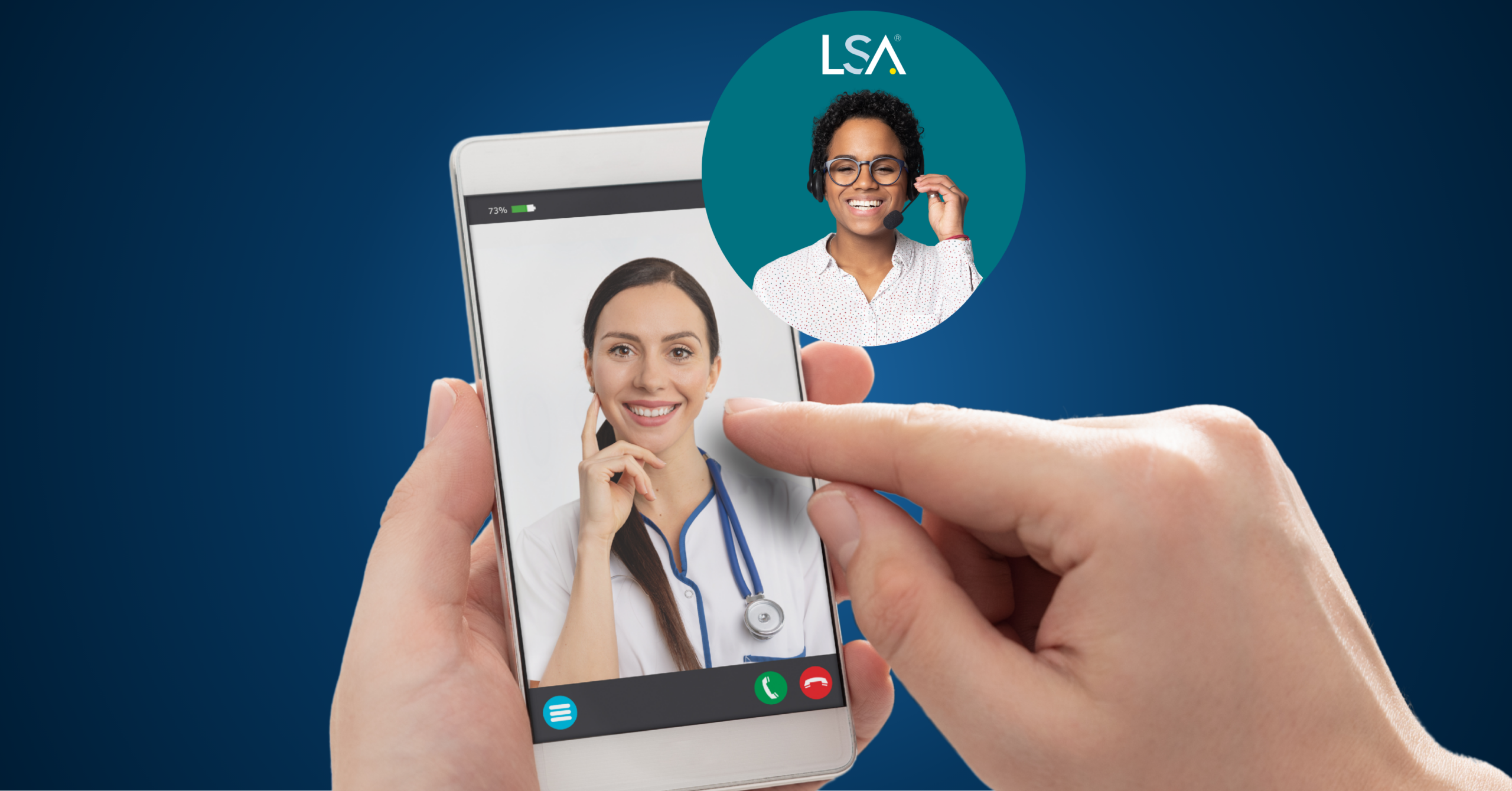
We are CMS experts. Our telehealth language solutions are built to integrate directly into clinical workflows across video, audio-only, and hybrid environments, helping organizations maintain compliance while improving patient experience.
LSA connects interpreters directly into EHR systems like Epic through secure API connections. LSA can also be found in the Epic Toolbox (not just the Epic Showroom), meeting Epic’s recommended standards for secure, reliable access to professional interpreters in hundreds of languages. This allows hospitals and health systems to request interpreters directly from their patient records system.
What Has Been Extended?
Under the updated CMS guidance:
Medicare patients may continue receiving non-behavioral/mental health telehealth services in their homes through December 31, 2027.
Geographic restrictions for originating sites remain lifted for non-behavioral/mental telehealth services through December 31, 2027.
Telehealth services can continue to be provided by all eligible Medicare providers through December 31, 2027.
Federally Qualified Health Centers (FQHCs) and Rural Health Clinics (RHCs) may serve as Medicare distant site providers for non-behavioral/mental telehealth services through December 31, 2027.
The requirement for an in-person visit within six months of an initial behavioral/mental telehealth service — and annually thereafter — is waived through December 31, 2027.
Non-behavioral/mental telehealth services may continue to be delivered using audio-only communication platforms through December 31, 2027. In certain cases, audio-only technology may also permanently qualify when patients cannot or do not consent to video.
What This Means for Healthcare Organizations
As telehealth continues to expand, so does the need for reliable, compliant interpretation and translation services within virtual environments.
Many Medicare beneficiaries rely on telehealth from home, and for patients with limited English proficiency (LEP), communication barriers can directly affect access, quality, and outcomes. The extension of audio-only services further underscores this need, as language access solutions must integrate smoothly across video, audio, and hybrid telehealth platforms.
Healthcare organizations must ensure:
- Interpretation services are available in real time
- Audio-only encounters remain compliant and accessible
- Documentation aligns with CMS requirements
- Language access workflows support both in-person and virtual care
Telehealth flexibility only works when communication is clear and understanding is prioritized.
LSA Delivers Telehealth Without Disruptions
For more than three decades, LSA has partnered with healthcare systems, payers, and provider networks to deliver interpretation and translation solutions that align with regulatory standards and evolving care models.
As Medicare telehealth flexibilities continue through 2027 and beyond, healthcare leaders have an opportunity to strengthen their virtual care infrastructure and language accessibility.
Telehealth is about making care accessible to every patient, in every language, wherever they are.
To learn more about LSA’s healthcare and telehealth services, reach out now!